Description
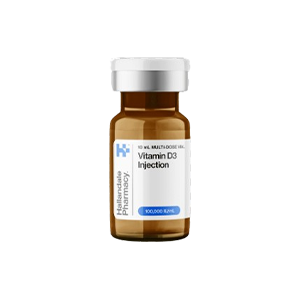
Vitamin D3 Injection is a medical form of vitamin D used to treat or prevent vitamin D deficiency. Vitamin D is essential for calcium absorption, bone health, immune function, and overall well-being. When individuals are unable to get enough vitamin D through sunlight or diet, or if you have medical conditions that affect vitamin D absorption, an injection can be an effective solution.
- Improves Bone Health: Helps the body absorb calcium, promoting strong bones and preventing bone-related disorders like osteoporosis.
- Boosts Immune System: Enhances immune function, reducing the risk of infections and chronic diseases.
- Supports Muscle Strength: Aids in maintaining muscle function and reducing the risk of falls in older adults.
- Improves Mood: May help alleviate symptoms of depression and improve overall mood.
- Reduces Inflammation: Has anti-inflammatory effects, which can benefit conditions like arthritis.
- Supports Heart Health: May contribute to better cardiovascular health by regulating blood pressure and reducing the risk of heart disease.
Uses:
Vitamin D Deficiency: For individuals with low vitamin D levels, especially those who are unable to absorb it effectively through their diet or sunlight.
Osteoporosis: In some cases, vitamin D3 injections are used to treat or prevent bone loss.
Chronic Conditions: Certain conditions like rickets, osteomalacia, or hypoparathyroidism may require vitamin D3 injections for proper management.
How it works:
Supports bone health: Vitamin D3 helps the body absorb calcium and phosphorus, both of which are necessary for strong bones and teeth.
Enhances immune function: Vitamin D plays a key role in regulating immune responses and reducing the risk of infections.
Regulates mood and well-being: Adequate levels of vitamin D are linked to improved mood and may help reduce the risk of depression.
Vitamin D3 injections are typically administered intramuscularly (into the muscle).
The dosing frequency of a Vitamin D3 injection typically depends on the individual’s vitamin D levels and the severity of the deficiency. Common regimens include:
- For deficiency: Vitamin D3 injections are often given once a week or once a month, depending on the prescribed dosage and healthcare provider’s recommendation.
- Maintenance dose: After correcting a deficiency, some individuals may transition to a maintenance dose, which could be once a month or every few months.
Self-administration of a Vitamin D3 injection:
-
Wash Hands: Start by thoroughly washing your hands with soap and water to prevent infection.
-
Prepare the Injection:
- Gather the necessary supplies: Vitamin D3 vial, syringe, alcohol swabs, and a clean cotton ball or gauze.
- Use an alcohol swab to clean the rubber stopper of the vial.
- Draw the prescribed amount of Vitamin D3 into the syringe. Make sure to expel any air bubbles.
-
Select Injection Site:
- Choose a muscle for intramuscular (IM) injections, typically the upper arm (deltoid) or thigh (vastus lateralis).
- Clean the skin with an alcohol swab at the chosen injection site.
-
Administer the Injection:
- Hold the syringe like a pencil at a 90-degree angle to the skin.
- Insert the needle swiftly and gently push the plunger to inject the Vitamin D3.
-
Withdraw the Needle:
- Once the injection is complete, withdraw the needle and apply pressure with a clean cotton ball or gauze to the injection site.
- If there’s any bleeding, apply a bandage.
-
Dispose of the Needle: Safely dispose of the needle and syringe in a proper sharps container.
If you’re unsure or uncomfortable with self-injection, consult with a healthcare provider for guidance.
Vitamin D3 injections are generally safe when used under medical supervision, but side effects can occur, especially if too much vitamin D is administered.
Common side effects may include injection site reactions, dizziness, or nausea.
Serious side effects are rare but can include elevated calcium levels (hypercalcemia), which can lead to kidney issues.


Reviews
There are no reviews yet.